
Ash Content in Activated Carbon: What It Means and Why It Matters in Water Treatment
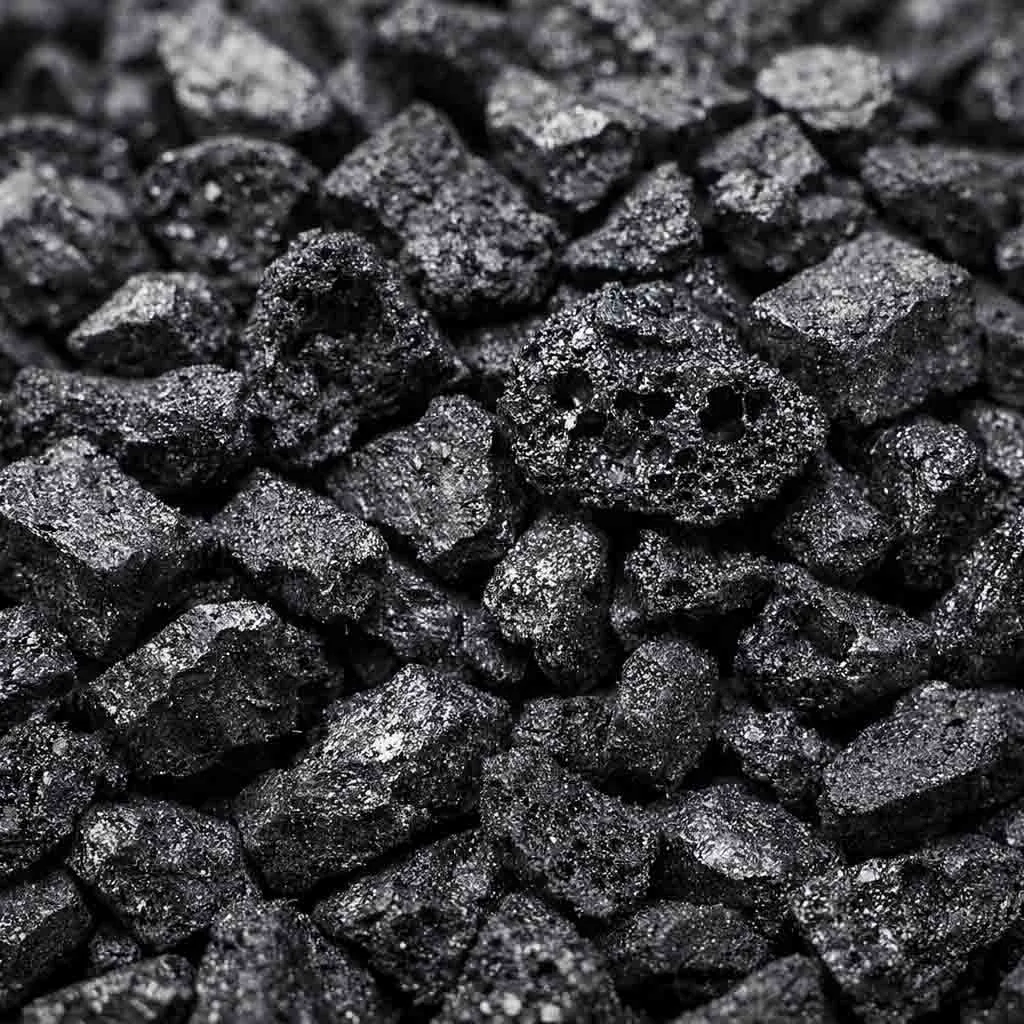
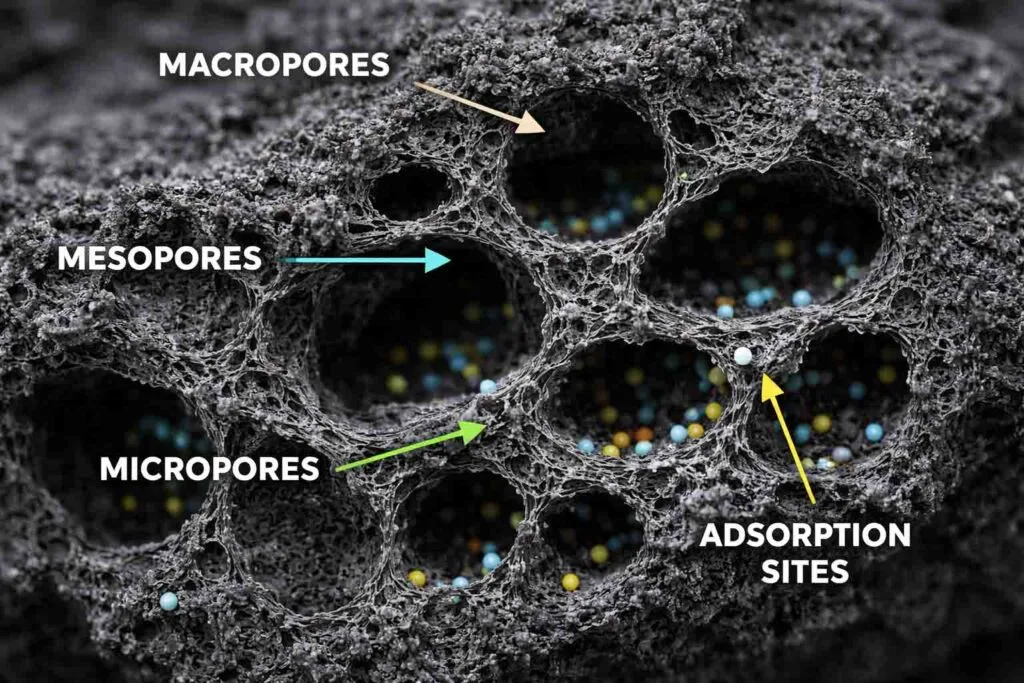
Activated carbon is one of the most widely used filtration materials in water treatment, beverage production, pharmaceutical processing, and industrial purification systems. Its effectiveness comes from its high surface area and porous structure, which enable it to adsorb contaminants such as chlorine, organic compounds, odor-causing molecules, and dissolved pollutants.
However, one critical parameter often overlooked when selecting activated carbon is ash content. This parameter can significantly affect the performance, purity, and longevity of the carbon media used in filtration systems.
Understanding ash content in activated carbon, its importance, how it affects filtration performance, and how it is tested is essential for engineers, procurement managers, and plant operators working in water treatment.
What Is Ash Content in Activated Carbon?
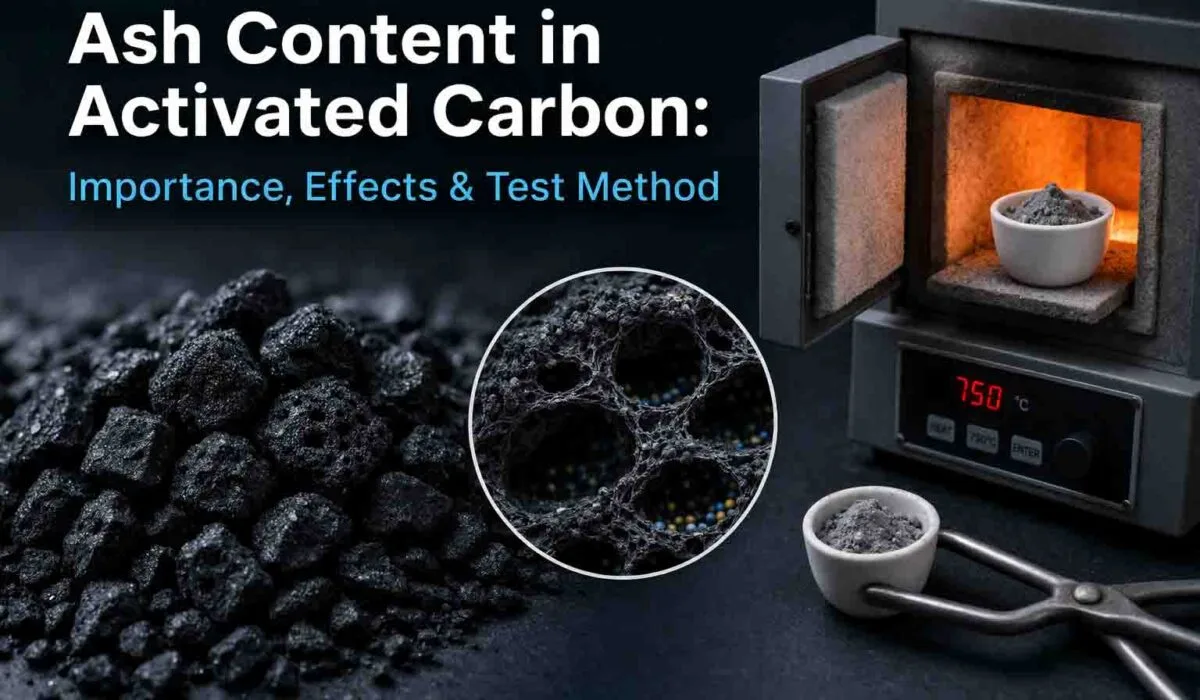
Ash content refers to the inorganic mineral residue that remains after activated carbon is completely burned at high temperature.
During combustion, the carbon structure oxidizes and disappears, leaving behind non-combustible minerals that originate from the raw material used to produce the carbon.
These minerals typically include:
- Silica (SiO₂)
- Aluminum oxide (Al₂O₃)
- Iron oxide (Fe₂O₃)
- Calcium oxide (CaO)
- Magnesium oxide (MgO)
- Potassium and sodium salts
The amount of this residual mineral matter is expressed as a percentage of the original carbon sample weight.
Simple Definition
Ash content is the percentage of inorganic mineral residue remaining after activated carbon is completely combusted.
Typical Ash Content in Activated Carbon
Ash levels vary depending on the raw material used to manufacture the carbon.
| Raw Material Source | Typical Ash Content |
|---|---|
| Coconut Shell Carbon | 2 – 5 % |
| Wood Based Carbon | 3 – 8 % |
| Coal Based Carbon | 5 – 15 % |
Coconut shell carbon usually contains lower ash content, making it highly suitable for drinking water treatment and beverage applications.
Coal-based activated carbon may contain slightly higher ash but can still perform effectively in industrial filtration systems.
Why Ash Content Is Important in Activated Carbon
Ash content affects several key characteristics of activated carbon that directly influence filtration performance.
1. Adsorption Capacity
Activated carbon functions through adsorption, where contaminants attach to the carbon’s internal pore surfaces.
Higher ash levels can lead to:
- blocked pores
- reduced available adsorption sites
- decreased surface area utilization
This results in lower adsorption efficiency.
2. Water Purity
Ash consists of mineral compounds that may dissolve slightly in water.
In high-purity applications such as:
- drinking water treatment
- beverage production
- pharmaceutical filtration
excessive ash may cause:
- increased turbidity
- mineral leaching
- unwanted taste or color
For these reasons, low ash carbon is generally preferred in potable water systems.
Effects of High Ash Content
Activated carbon with high ash content can lead to several operational issues in filtration systems.
Common problems include:
- reduced adsorption performance
- higher mineral contamination in treated water
- increased pressure drop across the filter bed
- shorter operational life of the carbon media
In severe cases, excessive ash may also lead to pH fluctuations in treated water, especially when alkaline minerals are present.
Benefits of Low Ash Activated Carbon
Low ash activated carbon offers several advantages in filtration systems.
Key Benefits
✔ higher adsorption efficiency
✔ cleaner treated water
✔ reduced mineral leaching
✔ longer service life
✔ stable filtration performance
Because of these advantages, low ash coconut shell activated carbon is widely used in drinking water purification and beverage processing industries.
Ash Content vs Other Activated Carbon Parameters
While ash content is important, it is only one of several parameters used to evaluate activated carbon quality.
Other key specifications include:
- Iodine number (indicator of adsorption capacity)
- BET surface area
- pore size distribution
- hardness number
- particle size distribution
A balanced specification ensures the carbon performs efficiently in filtration systems.
Standard Test for Ash Content in Activated Carbon
Ash content is determined using a high-temperature combustion test.
The most commonly used international standards include:
- ASTM D2866 – Standard Test Method for Total Ash Content of Activated Carbon
- AWWA B604 – Activated Carbon for Municipal Water Treatment
- ISO 1171 – Determination of ash in solid fuels
Ash Content Test Procedure
The ash content test involves several steps carried out in a laboratory environment.
Step 1: Sample Preparation
A known quantity of activated carbon (usually 1–2 grams) is weighed and dried to remove moisture.
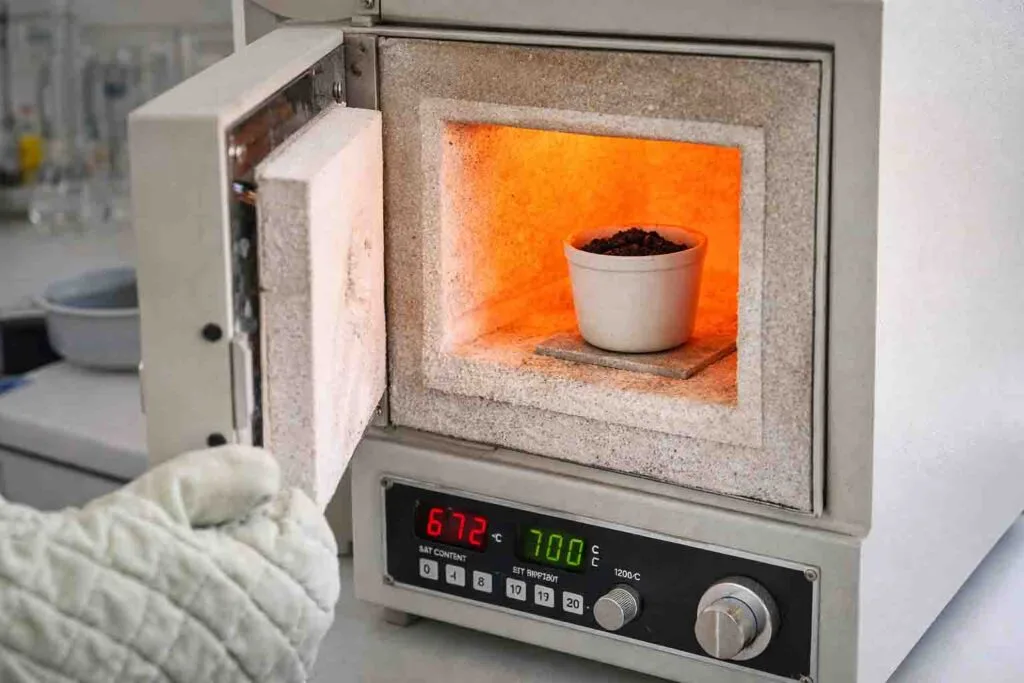
Step 2: Furnace Combustion
The sample is placed inside a muffle furnace and heated to approximately 650–750°C.
At this temperature:
- the carbon structure burns completely
- organic matter is removed
Only mineral residues remain.
Step 3: Residue Measurement
After combustion, the remaining inorganic residue is weighed.
Step 4: Ash Content Calculation
Ash content is calculated using the formula:
Ash (%) = (Weight of residue / Original sample weight) × 100
Example:
If a 1 g carbon sample leaves 0.05 g residue, the ash content equals 5 %.
Can Ash Content Be Reduced?
Yes. Activated carbon manufacturers sometimes use acid washing processes to reduce ash content.
During acid washing:
- soluble minerals dissolve
- metal impurities are removed
- alkaline residues decrease
This process produces high-purity activated carbon, often required for:
- drinking water treatment
- pharmaceutical applications
- food and beverage processing
Typical Ash Specifications for Water Treatment Carbon
For most water treatment applications, the following ash levels are recommended:
| Carbon Type | Typical Ash Level |
|---|---|
| Coconut Shell Activated Carbon | < 5 % |
| Bituminous Coal Activated Carbon | < 10 % |
| Wood Activated Carbon | < 8 % |
Lower ash values generally indicate higher purity filtration media.
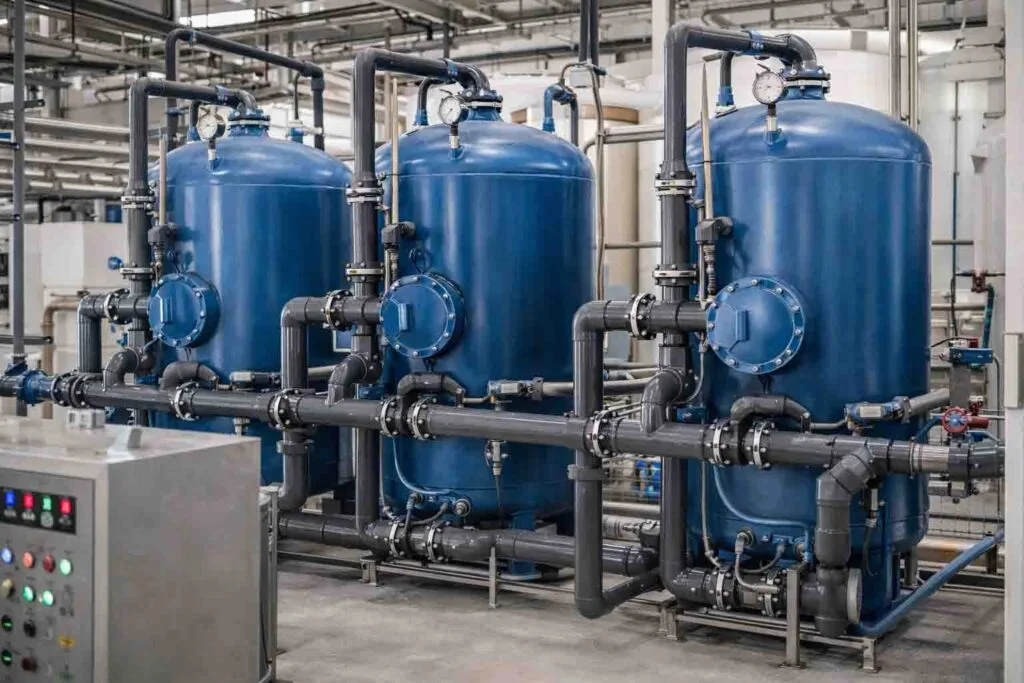
Activated Carbon for Water Treatment Applications
Activated carbon plays a critical role in removing:
- chlorine
- organic contaminants
- taste and odor compounds
- industrial chemicals
It is widely used in:
- municipal water treatment plants
- beverage processing systems
- pharmaceutical purification systems
- industrial wastewater treatment plants
Selecting carbon with appropriate specifications ensures efficient and reliable filtration performance.
Conclusion
Ash content is an important quality parameter that indicates the mineral impurity level in activated carbon.
High ash content may reduce adsorption efficiency and potentially introduce mineral contaminants into treated water. In contrast, low ash activated carbon offers better adsorption capacity, improved water purity, and longer service life.
Ash content is typically measured using standardized combustion tests such as ASTM D2866, where the carbon sample is burned in a high-temperature furnace and the remaining inorganic residue is weighed.
For critical filtration applications, especially drinking water and beverage processing, selecting activated carbon with low ash content and consistent quality specifications is essential for optimal performance.
Filter Media for Water Treatment Projects
Starke Aquacare Technologies supplies high-quality filtration media used in water treatment systems worldwide, including:
- Activated Carbon
- Silica Sand
- Anthracite Filter Media
- Garnet Filter Media
- Zeolite (Clinoptilolite)
- Walnut Shell Filter Media
These materials are widely used in municipal water treatment, RO pretreatment, industrial filtration, and environmental applications.